Table of Contents
Toggle5 Methods on How to Mix Magenta Color Magenta is a vibrant color that can be mixed using various methods, depending on the medium and the desired shade. Here are some known methods to create magenta:Primary Colors Method (Subtractive Color Mixing):In traditional color theory for painters, magenta is considered a primary color, so it is not typically mixed from other colors in painting. However, in practice, you might create a magenta-like hue by mixing red and blue paint, although this often results in a violet shade rather than true magenta. The exact colors used can vary, but a bright red and a bright blue would be the starting point.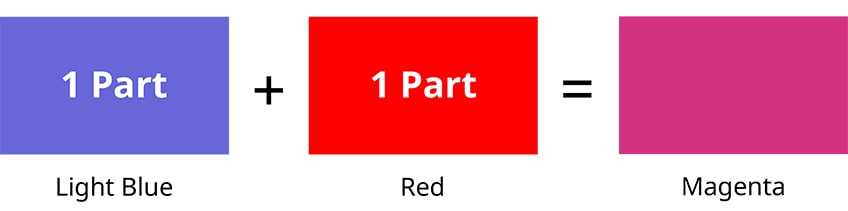

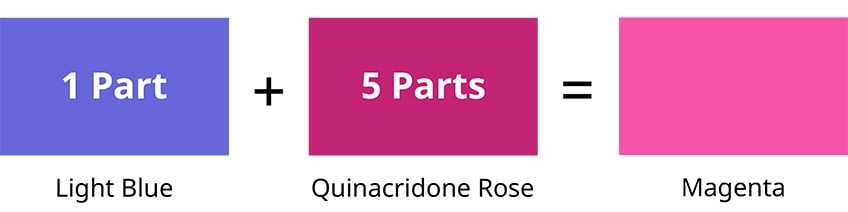


Remember, the method you choose will depend on the medium you’re working with and the specific hue you’re trying to achieve. It’s also important to note that the perception of color can be subjective, and the exact formula for magenta may vary between different materials and color systems.
25 Mixing Recipes on How to Mix Popular Magenta Color ShadesShade NameMixing RecipeFuchsia2 parts Quinacridone Magenta, 1 part WhiteDeep Fuchsia2 parts Quinacridone Magenta, <1 part Ultramarine BlueDeep Pink1 part Quinacridone Magenta, <1 part Ultramarine Blue, <1 part WhiteBright Magenta2 parts Quinacridone Magenta, 1 part White, <1 part Primary CyanNeon Magenta1 part Quinacridone Magenta, 2 parts WhiteElectric Magenta1 part Quinacridone Magenta, 1 part White, <1 part Primary CyanFluorescent Magenta1 part Quinacridone Magenta, <1 part WhiteHot Magenta2 parts Quinacridone Magenta, <1 part Ultramarine BlueRose Red1 part Quinacridone Magenta, <1 part Alizarin CrimsonDeep Magenta1 part Quinacridone Magenta, <1 part Ultramarine BlueBright Rose1 part Quinacridone Magenta, <1 part Alizarin CrimsonDeep Fuchsia Pink1 part Quinacridone Magenta, <1 part Primary Cyan, <1 part WhiteHot Pink1 part Quinacridone Magenta, 1 part WhiteRazzle Dazzle Rose1 part Quinacridone Magenta, <1 part Dioxazine PurpleRuby Magenta1 part Quinacridone Magenta, <1 part Alizarin CrimsonShocking Pink2 parts Quinacridone Magenta, <1 part WhiteUltra Magenta1 part Quinacridone Magenta, 1 part White, <1 part Dioxazine PurplePink Flamingo1 part Quinacridone Magenta, 2 parts White, <1 part Lemon YellowPink Lavender1 part Quinacridone Magenta, 1 part White, <1 part Ultramarine BluePurplish Magenta1 part Quinacridone Magenta, <1 part Dioxazine PurpleViolet Magenta1 part Quinacridone Magenta, <1 part Ultramarine Blue, <1 part WhiteCrimson Magenta1 part Quinacridone Magenta, <1 part Cadmium RedCerise1 part Quinacridone Magenta, <1 part Alizarin CrimsonMagenta Rose1 part Quinacridone Magenta, <1 part Primary Cyan, <1 part WhiteMagenta Pink2 parts Quinacridone Magenta, 1 part White, <1 part Lemon YellowHow to Make Magenta with the Primary Colors Method To make magenta paint, you will mix red and blue, the two primary colors that combine to create this vibrant hue. Red, with its hex code #ff0000, is a powerful color associated with passion, desire, and also with warning and urgency due to its ability to attract attention. Blue, with its hex code #0000ff, brings calmness, peace, and is often linked to intelligence and wisdom, as it is reminiscent of the sky and ocean. When these colors blend, they produce magenta, a color that can evoke a range of emotions and is versatile for artists to convey different feelings in their work. To achieve magenta, you start with a base of red paint on your palette, which you can get from primary red paint or by mixing yellow and blue. Then, add blue paint, available as a primary color or mixed from green and red. As you mix red and blue, you’ll see a variety of shades emerge until you reach your desired magenta. For a lighter magenta, incorporate a small amount of white paint. To darken it, add more red or blue paint to the mixture. This process allows for customization and exploration of the depth of magenta shades.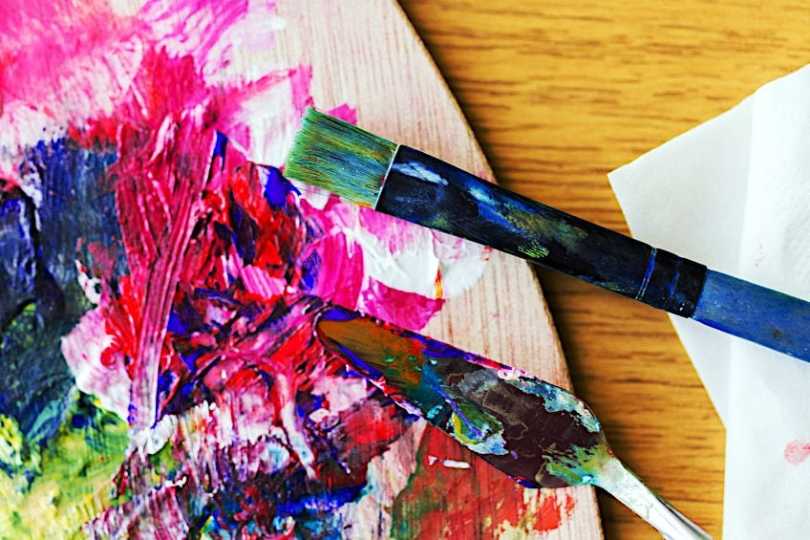

Comments