 Fashion
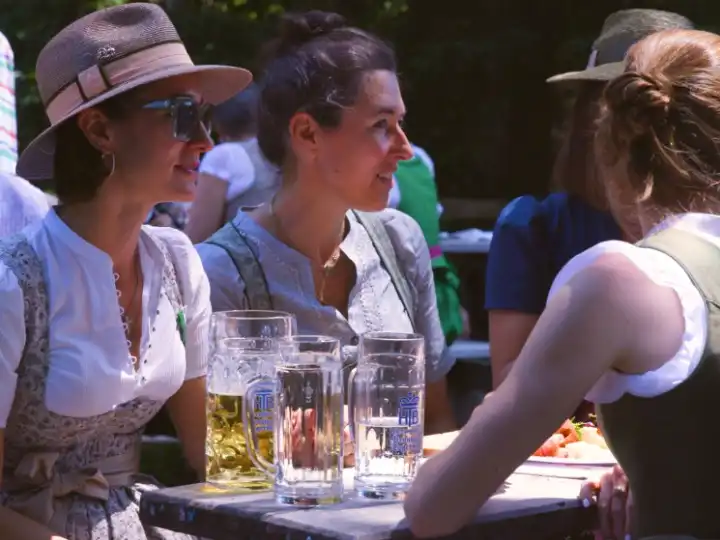
Why traditional fashion thrives in Germany
FashionBavariaSeptember 5, 20234 MIN 1 SECWhy traditional fashion thrives in GermanyLederhosen and dirndls aren’t just donned for Oktoberfest in southern Germany; tracht has been experiencing a renaissance in recent years with many wearing these traditional clothes every day. Monocle Films travels across the region to meet the makers and retailers who are successfully keeping this traditional heritage alive while adapting it for contemporary tastes.SubscribeEmailiTunesYouTube
 Fashion
Monocle Christmas Market 2019
RetailDecember 13, 20192 MIN 9 SECMonocle Christmas Market 2019Tyler Brûlé and his merry team got festive last weekend with the annual Monocle Christmas Market at Midori House in London. Our favourite retailers brought their yuletide treats and sharedGlühweinwith subscribers and guests. And, of course, Santa was on hand too.Editor Agathe TrouetteSubscribeEmailiTunesYouTube
 Fashion
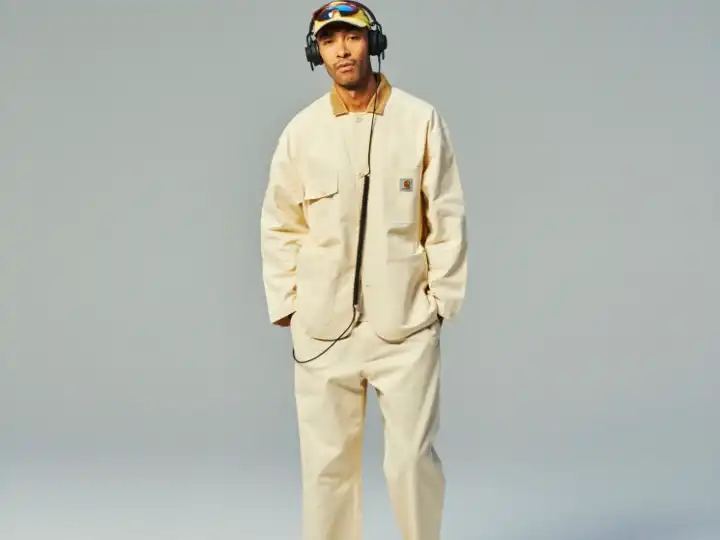
Workwear is back in the fashion fold – does the trend mark a shift in consumer behaviour?
Fashion trends come and go at lightning speed, but one is proving to have lasting effect on wardrobes. Workwear has gone from being associated with the working classes to being embraced by style communities and subcultures around the world, from skateboarders to British punks. It’s a category that has been a fixture on the sartorial landscape for quite some time but today it has gained newfound momentum in mainstream men’s and women’s fashion – helping to shape the way we get dressed and set a new style agenda for 2024. In all four fashion capitals this year, houses grounded their ready-to-wear collections in styles synonymous with workwear. Celine, Ferragamo and Brunello Cucinelli opted for suede trucker jackets in their collections, while Coach offered gabardine and denim dungarees. Versace and Prada paraded utility vests, while Fendi featured leather aprons and tool belts – an homage to the elegant uniforms worn by the workers in its new leather-manufacturing facility in the Tuscan town of Capannuccia. It joins MaxMara, where creative director Ian Griffiths looked to Britain’s Land Army with his dyed drill boiler suits and chore jackets, to inspire his collection for next spring. Designers across the luxury spectrum are referencing humble workwear archetypes, while original workwear brands such as Carhartt WIP and Dickies are enjoying renewed popularity.Utilitarian design by AspesiBut why the sudden appeal? For one, people are drawn to the way that workwear whispers smart-casual, says Lucie Greene, trend forecaster and founder of consultancy Light Years. “Workwear has almost become quiet luxury for the original hipsters,” she says. “As this group reaches financial maturity, it is starting to embrace the workwear aesthetic in a more refined way, looking for indulgent materials. But core design values, such as reductionism, sturdy quality and industrial cues, remain.” Pointing to new-wave workwear-inspired brands, including Alex Mill and Studio Nicholson, Greene notes that their appeal also lies in a unisex approach, creating “a modern uniform for anyone who wants elevated comfort”.Workwear addresses our demand for increased comfort while providing a refreshing alternative to the streetwear wave of the past decade. It also shines a spotlight on the value of embracing classic design and eschewing trends. “This reflects a broader social and cultural shift in values and preferences in which people are seeking authenticity, durability and functionality in their clothing choices,” says Carolyn Mair, author ofThe Psychology of Fashion. Mair notes that workwear fosters a mindset that views clothing as long-term investments. “By prioritising craftsmanship and wear-forever clothing, brands and consumers are embracing a paradigm that reduces consumption, extends the lifespan of clothing and minimises waste.”From a recent Fendi collectionWorkwear on the MaxMara runwaySuch is the continued appeal and success of the original workwear brands in hooking new customers, luxury designers need to elevate and move the design along to offer something fresh. Labels such as Japan-based Sacai (which has recently collaborated with Carhartt WIP), Britain’s Olly Shinder and Fendi have all been helping to diversify the market, so much so that today the swing tags of workwear garments oscillate from accessible to premium. At luxury multibrand retail outfit Matches Fashion, menswear buyer Alexander Francis has bought into workwear styles from Carhartt WIP, Drake’s, RRL and Visvim, some of which are under the £100 mark (€115) and average around the contemporary price bracket. “All these brands offer go-anywhere, do-anything products at a selection of price points,” he says. “We are seeing customers looking for styles that can work in the office and at the weekend. It’s about buying less but buying smarter – and workwear really talks to this shift in behaviour.”While Francis doesn’t predict a return to the head-to-toe workwear dressing of the early 2010s, he points to “die-hard” workwear style icons such as Daniel Day Lewis and John Mayer “who show that a uniform approach to workwear remains a classic look”. The uniform element of workwear strikes a chord: see the rise of the Danish fashion industry or bellwether brands such as Prada using their fashion shows to celebrate uniforms associated with the care sector and workwear (the irony of a €4,000 full-length donkey jacket noted). For Morten Thuesen and Letizia Caramia of uniform specialist Older, a Milan-based business, “uniform means longevity”. In the decade since they left their jobs at Alexander McQueen in London to explore the artistic potential in the industrial side of uniforms (their clients include the Noma Group, Tate Modern, Château Marmont and Flos), they have become experts in the space. “Uniforms have always been a fascinating aspect for fashion – it’s to do with the tailoring and understanding proportion,” says Thuesen. “Our ideology is that the uniform is democratic and that needs to be translated in the design but also the pricing, supply chain and production.” As for Lawrence Steele, a fellow Milan-based designer and creative director at Aspesi, uniforms have gone from symbols of restriction to a form of “liberation” from the daily task of getting dressed. It’s by the same notion that workwear is again in the spotlight. “Craft used to be seen only in terms of hand-sewn garments, while manufacturing had associations with mass production and low quality,” says Greene. “New-wave workwear highlights the intersection of hand craft and old-school manufacturing, associated with true skill in small-batch production, ingenuity in mechanical machines and pride in clothing emerging from factory towns.” It hails a new era. As Mair puts it, this chapter in fashion won’t be defined by a trend for a change but “a fundamental shift in the psychological relationship that people have with their wardrobes”.
 Fashion
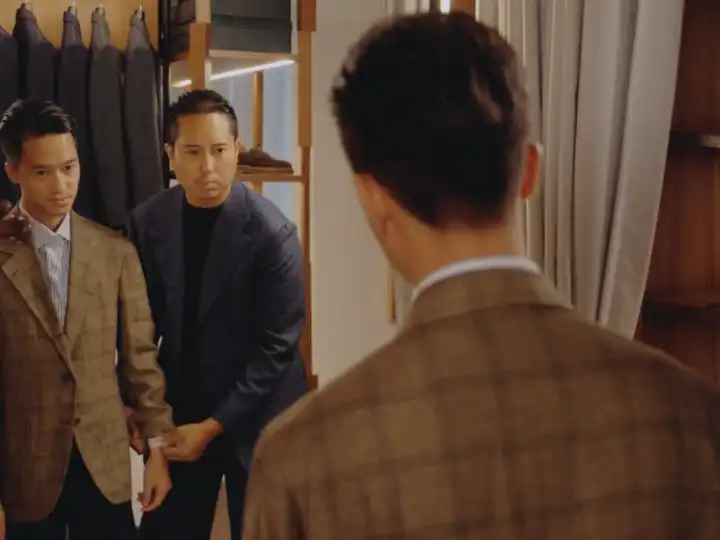
Sharp dressing at The Decorum
FashionBangkok, ThailandJanuary 9, 20243 MIN 21 SECSharp dressing at The DecorumThe Bangkok-based retailer and fashion label has been recognised as the top emerging fashion outpost in Monocle’s inaugural Retail Awards. We meet co-founder and creative director Sirapol Ridhiprasart to talk about dressing The Decorum way. The brand’s silhouettes blend Thai style with classic British footwear, Japanese tailoring and more.Editor Helena KardováSubscribeEmailiTunesYouTube
 Fashion
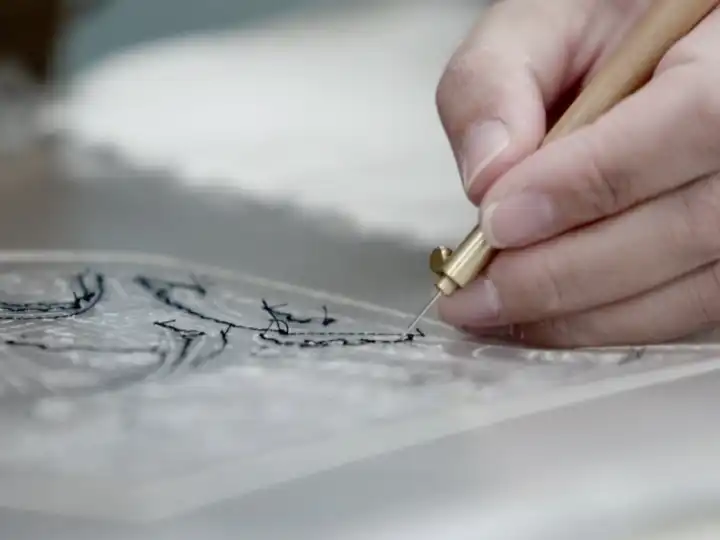
Le19M: Chanel’s commitment to craftsmanship
FashionParis, FranceDecember 17, 20214 MIN 35 SECLe19M: Chanel’s commitment to craftsmanshipDesigned by French architect Rudy Ricciotti, Chanel’s new creative centre in Paris is dedicated to preserving traditional skills and nurturing opportunities for a new generation. We visit the specialist ateliers to witness the savoir-faire unique to fashion in France.Editor Olivier AzpitarteNarrator Sophie GroveSubscribeEmailiTunesYouTube
 Fashion
Tailoring’s youthful refit
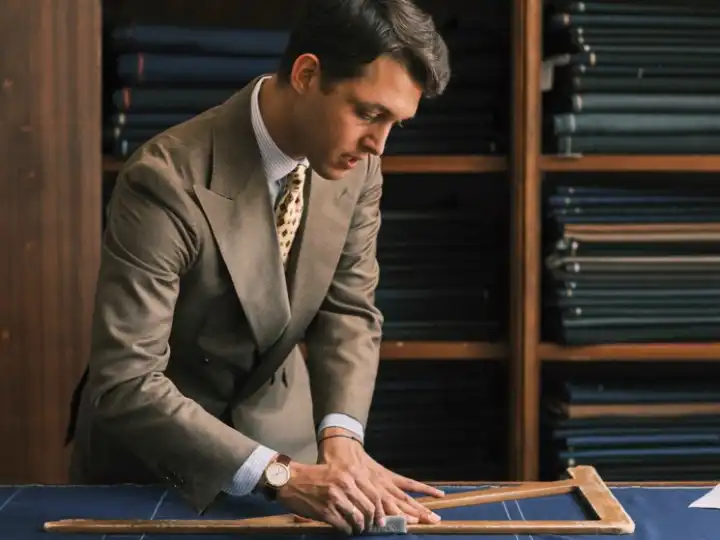
FashionAugust 24, 20212 MIN 7 SECTailoring’s youthful refitThey might not fit the archetype of the high-end tailor but a new generation of smart young outfitters are now at the cutting edge of bespoke menswear. We get the measure of four such craftsmen in London, Berlin, Hong Kong and Perugia.Editor Agathe TrouetteSubscribeEmailiTunesYouTube
 Fashion
A different view with Adrien Sauvage
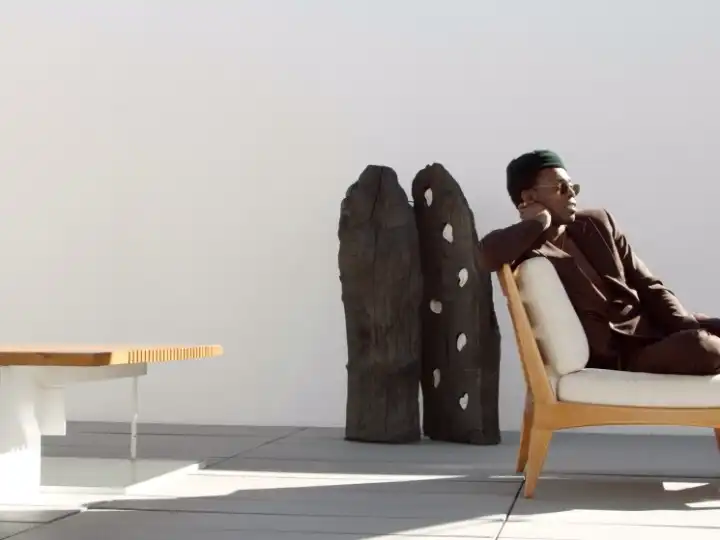
Travel and restaurantsBeverly HillsJanuary 26, 20213 MINA different view with Adrien SauvageThe distinctive designs of House A Sauvage fuse elegant British tailoring with the laid-back lifestyle of Beverly Hills. We meet founder Adrien Sauvage who takes us on a tour around this dazzling city that fuels his imagination and allows him to dream. Monocle Films has partnered with Beverly Hills Conference & Visitors Bureau to reveal hidden gems through the eyes of local creatives.Editor Giada GhiringhelliSubscribeEmailiTunesYouTube
 Fashion
Step into atelier Luca Avitabile, Naples’ bespoke shirtmaker
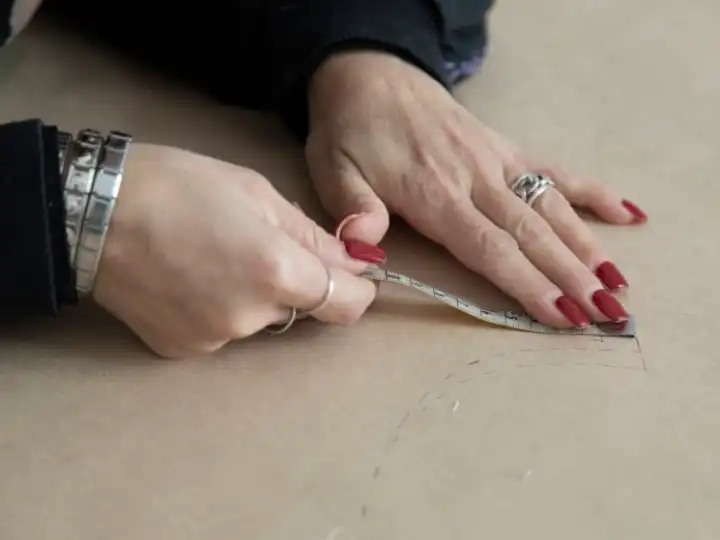
Calling on an expert cloth-cutter shouldn’t be reserved for special occasions or formal suiting. Skilled artisans around the world take commissions for everything from made-to-measure shirts to custom-made gloves, ties and footwear designed to last a lifetime. Booking an appointment with a local tailor or visiting a specialist atelier while on the road is a smart investment that will ensure that you feel good and look your best during professional engagements and social gatherings. The process also opens up opportunities to build relationships with the people making your clothes and to follow the process from beginning to end, a refreshing change from fast fashion and next-day deliveries.Naples is a city that’s teeming with workshops that produce one-of-a-kind items. You’ll find the best ties at Marinella, expertly cut trousers at Marco Cerrato, elegant leather gloves at Omega and the finest-quality shirts at Luca Avitabile. “A made-to-measure shirt offers almost infinite possibilities and a level of comfort that is hard to get any other way,” says Neapolitan shirtmaker Luca Avitabile, who is part of a tight circle of southern-Italiansartorieoffering bespoke shirting for discerning shoppers from around the world.Finished productsPersonal measurementsEarning your stripesThe experience of having a shirt made at Avitabile’s atelier usually starts with a walk along the streets of Naples. Connoisseurs know to steer their way to Via Toledo, a hectic shopping promenade in the city centre. Between the blinking shop signs, they duck through a discreet entryway, walk one flight up an echoing stone stairwell, ring the bell and step into Avitabile’s terrazzo-floored fitting room. After a cup of coffee and the usual pleasantries, Avitabile will pull out a tape and swiftly start taking measurements. It is a seasoned performance. Avitabile was born into the trade – his father was a shirtmaker, as were his grandparents – and also has a degree in shirt-cutting from the Instituto Secoli in Milan.The model of the shirt follows the Neapolitan custom of having slightly higher armholes than the English standard. “It allows for a snug fit without sacrificing comfort,” he says. Then it’s time to get creative and choose from an array of options: the shape and stiffness of the collar, the type of cuff, the question of front pockets. In Avitabile’s drawers, there are hundreds of fabric swatches, from striped Carlo Riva twill to Alumo’s soft Swiss cotton or even Japanese denim. And don’t forget the buttons: should the mother-of-pearl be Australian or Tahitian? Though Avitabile works with old-school rigour, his version of the tailored look is relaxed. On most days the shirtmaker wears the Friday polo, sewn from a lightweight piqué fabric, paired with a sharp overshirt. The casual models were introduced in 2020 as part of a ready-to-wear line and have proven to be just as popular custom-made. “Clients who come for a classic shirt usually add a [made-to-measure] overshirt or a polo to their order,” says Avitabile.Choosing materialsAfter the introductory appointment, Avitabile sits down to cut a shirt pattern from plain muslin. He then follows this up with a fitting. “This is the most delicate part of the whole process,” says Avitabile, who is a firm believer that there is nothing that can’t be fixed with a few pins and another turn of the sewing machine. “That is my favourite part.”After the fitting, the atelier is ready to start cutting into real fabric. Within six weeks the finished shirts land on customers’ doorsteps, wherever they are in the world. The workshop archives every customer’s personal shirt pattern, meaning that after your first order, in-person fittings are no longer essential.Of course, this decidedly old-fashioned process is far lengthier than heading to a department store and picking out a mass-produced item that’s sitting on a shelf. But it’s also a satisfying one that gives you a chance to invest in valuable craft traditions, experience exceptional service and get creative too.lucavitabile.itMonocle comment: Fast fashion is convenient but also limited and bad for the environment. Having clothes tailored puts you at the centre of the process – and the outcome. The result? A wardrobe that you’ll love for a lifetime.
 Fashion
A look inside Azabudai Hills – Tokyo’s ‘city within a city’
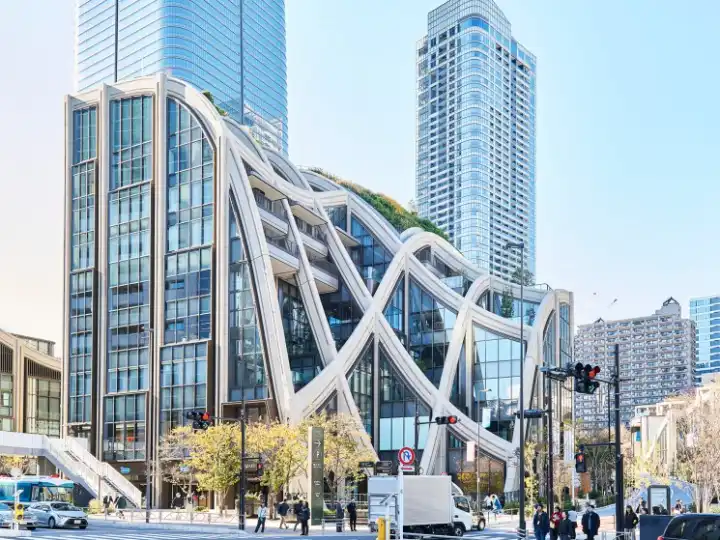
Grand in both scale and ambition, Azabudai Hills officially opened its doors for the first time in November 2023. A moment that was more than 30 years in the making, the opening marked a new phase for a mixed-use development that will eventually host approximately 20,000 employees and 3,500 residents across 8.1 hectares. The so-called “city within a city” in Tokyo’s bustling Toranomon business district will include education and healthcare facilities, along with museums, galleries, shops and restaurants. A focus on wellbeing and the environment is also set to shape the evolution of the development, which is powered entirely by renewable energy and is home to verdant public spaces.The first stage included the opening of Mori JP Tower, the largest of the development’s three towers, which offers five floors of retail and restaurants next to a central square. When Monocle visits the building on a crisp morning, Pelican Café is drawing a crowd with its freshly toastedshokupanand sandwiches, while eager shoppers wait patiently for the shops to open for business. By lunchtime, the restaurants, which range from sushi shops to Italian counter dining, are abuzz with a mix of workers and curious visitors from near and far. Casting an eye over the retail spaces on offer, Monocle presents a handful of early finds from Tower Plaza on the following pages.There will be more. Azabudai Hills Market launches in January and a wave of further openings are scheduled for spring. Pace Gallery will join a host of high-end retailers in the Heatherwick Studio-designed Garden Plaza, while Janu Tokyo, the first hotel under Aman’s new sister brand, will overlook the central plaza.Monocle comment: The grand scale of the Azabudai Hills development – not to mention its attention to detail – speaks of its ambition to have a significant impact on life in Japan’s capital. Sometimes it pays to go all in.On the way to Tower PlazaFurniture at The Conran ShopTailor-made options at Maison et VoyageWindow shoppingFlowing linesBrowse the shelvesAnother level: Inside Tower PlazaGrowth trajectoryTableware selection at The Conran ShopAll hands on deckThe Azabudai Hills crowdMaison et Voyage AzabudaiFashionLaunched in November 2023, the debut collection of Tomorrowland’s menswear brand pairs smart tailoring with a hint of nostalgia. Leather flight jackets are joined by argyle knits in soft cashmere, while a collaboration with JM Weston has yielded loafers in crocodile and box-calf leather, and suede. The brand adds its own modern touches, paying homage to the classics and respecting the good old days.On Tower Plaza’s second floor, the Maison et Voyage flagship shop brings the label to life in a space filled with hints of Paris and London, as well as antique display cases, artwork and other paraphernalia. It’s here that the brand’s offerings are presented alongside a selection of classic labels. Leather bags from Ghurka and the fine wares of Lock & Co Hatters line the shelves, while vintage eyewear, timepieces and accessories fill the showcases.“This shop was created as a place where fun-loving grown-ups can enjoy creating a more sophisticated look,” says Tomorrowland’s Kohei Sugiyama. “It’s for the kind of person who, rather than simply travelling in a pair of sweats, wants to dress up with a tuxedo jacket or loafers to match their destination.” A range of made-to-order services are offered in the in-store salon, with the selection of suits, shirts and other items bringing Tomorrowland’s expertise to the fore.“We propose a quiet luxury, based on the idea that instead of going out of our way to talk about brands, it’s simply about wearing clothes of the highest quality,” says Sugiyama.Ogaki ShotenBooksFounded in 1942, Kyoto-based bookshop Ogaki Shoten selected Azabudai Hills as the site for their first outpost in Tokyo. Spanning almost 1,000 sq m, the bookshop’s four main sections feature shelves filled with publications. Designed by Gyoken’s Naoyuki Nomura, the book-themed interior includes quiet pockets for reading, along with gallery-style displays for exhibitions. An in-store café and bar, Slow Page, serves siphon coffee made with an in-house blend, along with whisky and curry rice. “We aim to create reading spaces where people can relax, so we’re very particular about furniture and want to make the kind of shop where customers can stay for hours,” says assistant shop manager Kosuke Ogaki. “Our main concept is a bookshop that connects people with books. For example, there are many children in the Azabudai Hills area, so we decided to create a picture-book gallery. There are many children’s titles and all are individually chosen by one of our Kyoto-based staff.” Inside the gallery, the colourful line-up seesThe Very Hungry Caterpillarand other English-language titles joining works by Japanese illustrators Tupera Tupera and Noritake, while everything from the plush carpet to the low-level displays and benches are designed with readers of all ages in mind. It’s a considered approach that reinforces the role that a bookshop can play within residential developments, catering to the needs of community members young and old.The Conran Shop TokyoFurnitureThe Conran Shop continues to win fans in Japan. Following the April 2023 opening of a Daikanyama shop, the first to be locally and independently managed, the Azabudai Hills outpost adopts a similar approach, presenting another fresh take on the retailer’s wares. Known as The Conran Shop Tokyo, the 1,300 sq m space is coloured with green, red and navy hues, with bold Tajimi-made tiles and timber flooring.“The concept is standard but high quality; everyday but special,” says Shinichiro Nakahara, CEO of The Conran Shop Japan. “There’s an abundance of one-of-a-kind pieces, made in collaboration with Japanese makers and craftspeople, and made-to-order items, which are unique to Japan. We only select and present those products that [we feel] are truly essential.”The Conran Shop’s seventh location in Japan also includes a new foray into the world of dining. Inspired by the late founder Terence Conran’s passion for food and entertaining, the 45-seat Orby restaurant was born. Led by head chef Makoto Konno, owner of Tokyo’s Uguisu and Organ, the restaurant combines modern French with elements of British cuisine. Konno brings his own style to dishes such as beef wellington, Welsh rarebit and Victoria sponge, incorporating seasonal produce from across Japan. “From the natural wine we serve to the fact we make everything in-house from scratch, there is a connection to The Conran Shop’s approach to craft,” says Konno.Le Grand Closet de ParigotFashionThe idea of the world’s largest walk-in wardrobe was the thought behind this new style of select shop by Parigot, a longstanding retailer based in Onomichi, Hiroshima. Inside, visitors are surrounded by a line-up of designer womenswear sourced from Paris, Milan and beyond, along with Japanese labels such as cfcl and Toga. “Azabudai Hills attracts people from various places but many of our visitors have a keen eye for fashion, fine-tuned over many years, or are looking to rediscover the fun of fashion,” says shop manager Yuta Suetsugu. Creating a comfortable space for customers was paramount, resulting in an impressive line-up of collaborators from the world of interiors, design and music. Wonderwall’s Masamachi Katayama was tasked with the interior. “I designed it to evoke the sensation of peering into a private closet with a perfect collection, rather than a public retail space,” he says.This attention to detail also extends to the music. Created by Toshio Matsuura, a former founding member of jazz and funk trio United Future Organisation, relaxing tunes ease customers into the day, gradually shifting in style and tempo as the day unfolds.The shop’s format and premium offering marks a new retail model for the family-run company, which will celebrate its centenary in 2025. Plans are now under way to extend the concept to a men’s boutique, due to open in Ginza in spring 2024. Plenty to look forward to.
 Fashion
Brussels + Antwerp: The Monocle Travel Guide
FashionAntwerpOctober 23, 20193 MIN 11 SECBrussels + Antwerp: The Monocle Travel GuideBelgium had no fashion history until six young designers put their country at the centre of that world in the late 1980s. To celebrate our latest travel guide, we travel to Antwerp to see how the fashion scene has matured.Available now at The Monocle Shop.Narrator Venetia RaineySubscribeEmailiTunesYouTube