What color is Tiffany and why is it associated with luxury and elegance? To answer these questions and more, we will be going on a journey to discover everything there is to know about this beautiful and popular color.Table of Contents
Toggle
- What Color Is Tiffany?
- Tiffany Blue: A Brief History
- Meaning of the Color Tiffany Blue
- Shades of Tiffany Blue
- Colors That Go Well With Tiffany Blue
- Complementary Tiffany Blue Colors
- Analogous Tiffany Blue Colors
- Monochromatic Tiffany Blue Colors
- Triadic Tiffany Blue Colors
- How to Work With Tiffany Blue?
- How to Mix Tiffany Blue Paint
- Tiffany Blue Color Palettes for the Home
- Tiffany Blue on the Walls
- Decorative Tiffany Blue Accents
- Conclusion
- Frequently Asked Questions
- What Color Is Tiffany?
- What Are Colors That Go Well With Tiffany Blue?
- Why Is the Tiffany Color Popular?
What Color Is Tiffany? The Tiffany blue color can be described as a light blue shade or strong cyan that is extremely similar to the color also known as robin egg blue. There is only a slight variation, so you can say that Tiffany blue is simply a shade of the robin egg blue. According to computer graphics, they each have separate hex codes that identify them. Tiffany blue can also be seen as a turquoise blue, but is it the same as turquoise? Turquoise has more of a green undertone and is a brighter shade of cyan, while Tiffany blue is a little closer to a blue undertone and is a darker shade of cyan.


Tiffany Blue ShadeHex CodeCMYKColor Code
RGB Color CodeTiffany Blue ColorTiffany Blue#0abab595, 0, 3, 2710, 186, 181
Robin Egg Blue#1fcecb85, 0, 1, 1931, 206, 203 Tiffany Blue: A Brief History The name comes from a well-known New York jewelry company known as Tiffany & Co. The company was established by two people, Charles Tiffany, and John Young, in the early 19th century. Charles Lewis Tiffany was a jeweler, who came up with a specific color for the jewelry he made as well as the packaging. Nobody knows why he chose the specific
shade of bluebut it has become synonymous with the jewelry brand. Some believe the color was chosen because of the turquoise Victorian jewelry that was quite popular at the time. The Tiffany blue color was first used in 1845 and was the color chosen for what is known as the company’s
Blue Book. This book was printed annually and contained hand-drawn illustrations of the jewelry collection, which was distributed to customers as the first direct mail catalog for fine jewelry. This tradition still occurs with the annual blue book collection, which is now filled with photos and can be viewed online or in print.
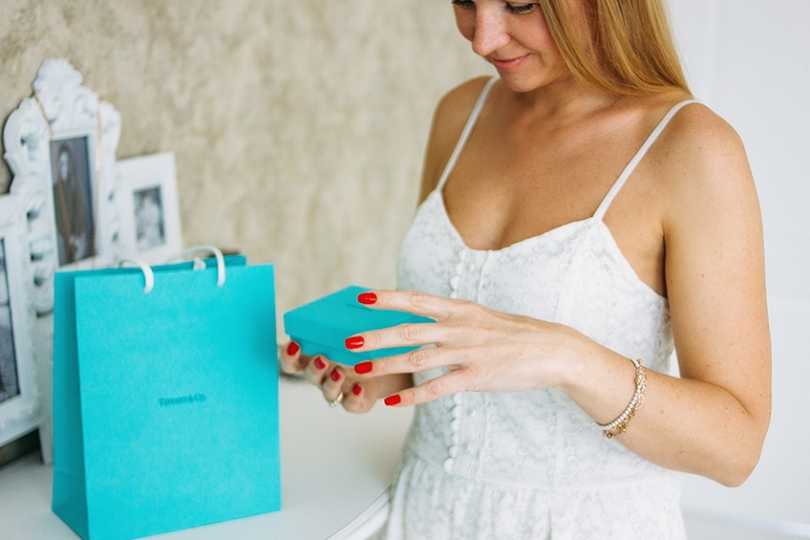
Over the years, the color became part of more than just the book, it moved on to become the color that represents the brand and can be seen in the packaging, advertising, jewelry creations as well as other accessories.
The color Tiffany Blue has been registered and become a color trademark since 1998. Pantone also standardized and custom-made a color identified as “1837 Blue”, which is exclusive to the Tiffany brand in 2001, and not available to the public. So, the color cannot be used in advertising, packaging, or for any other use that is in direct competition with the Tiffany company brand. Even though the color is heavily associated with the jewelry company, it remains a popular shade of blue in fashion and interior design.

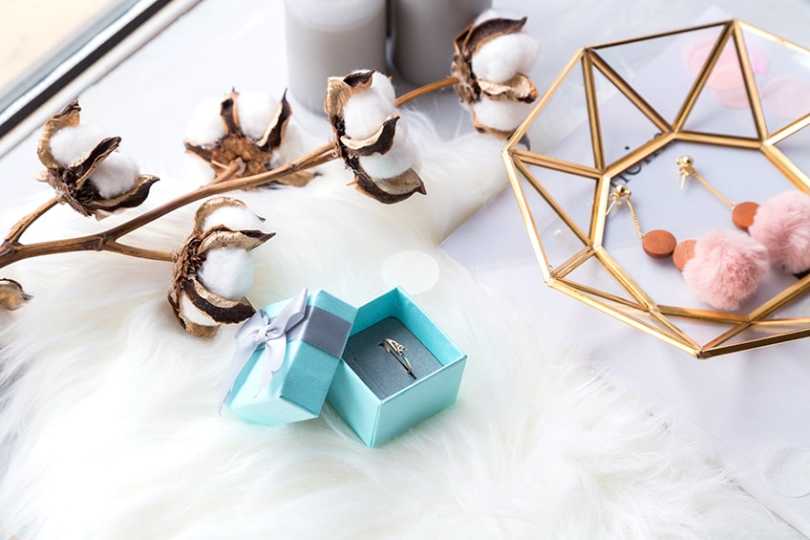
Meaning of the Color Tiffany Blue Since Tiffany blue has such a strong connection to the jewelry brand, it is also associated with luxury, glamor, sophistication, elegance, confidence, and excitement. However, the color can also be fun, fresh, cool, confident, peaceful, relaxing, and vibrant, and can be used in many design applications.
Shades of Tiffany Blue Tiffany blue can be confused with some other colors that are quite similar. These colors can be described as shades of Tiffany blue, and each can be identified as a separate color with its own hex code. You will also notice that each color code, will show you slight variations in color composition.


Turquoise Turquoise is a bright cyan color that is a mix of green and blue. This is a friendly, calming, and tranquil color that is often associated with the beach and ocean. However, it is named after the mineral known as turquoise.
Tiffany Blue ShadeHex CodeCMYK Color Code
RGB Color CodeTiffany Blue ColorTiffany Blue#0abab595, 0, 3, 2710, 186, 181
Turquoise#40e0d071, 0, 7, 1264, 224, 208 Aqua This is an even brighter, pure form of cyan, and is also known as electric cyan or waterspout. The names aqua and cyan are used interchangeably in computer graphics. You can mix this paint color, by combining light blue with light green paint.
Tiffany Blue ShadeHex CodeCMYK Color Code
RGB Color CodeTiffany Blue ColorTiffany Blue#0abab595, 0, 3, 2710, 186, 181
Aqua#00ffff100, 0, 0, 00, 255, 255 Mint Blue Mint blue is leaning towards a more moderate and darker cyan color. The color name was first recorded in 1920 and was taken from the color of breath mints. To create mint blue paint, mix yellow and blue to get green, and then add in some white.
Tiffany Blue ShadeHex CodeCMYKColor Code
RGB Color CodeTiffany Blue ColorTiffany Blue#0abab595, 0, 3, 2710, 186, 181
Mint Blue#429e9d58, 0, 1, 3866, 158, 157 Colors That Go Well With Tiffany Blue Tiffany blue, like most colors, will always go well with white and other
neutral colorslike beige or cream, to create a sophisticated look. Other colors that go well with Tiffany blue include black, as well as sterling silver, dark blues, corals, and yellow. Let us first look at some color combinations that work with color theory and the
color wheel.

Complementary Tiffany Blue Colors This
color combinationproduces contrast, where colors stand out when placed next to each other. This means, if you choose a color on the color wheel, the hue directly opposite will be the complementary color. Other
shades of orangeand yellow should also produce a similar effect.
ShadeHex CodeCMYK Color Code (%)RGB Color CodeColorTiffany Blue#0abab595, 0, 3, 2710, 186, 181
Strong Red#ba0a0f0, 95, 92, 27186, 10, 15 Analogous Tiffany Blue Colors This color combination is different from the complementary colors, as they are more harmonious and easier to look at. You will find these colors in the same general area on the color wheel, so they will all have something in common with the other. These will be your shades of blue and green when it comes to Tiffany blue.
ShadeHex CodeCMYK Color Code (%)RGB Color CodeColorTiffany Blue#0abab595, 0, 3, 2710, 186, 181
Strong Green#0aba5d95, 0, 50, 2710, 186, 93
Strong Blue#0a67ba95, 45, 0, 2710, 103, 186 Monochromatic Tiffany Blue Colors When you take one color like Tiffany blue and you create variations, some lighter and some darker in color, this will form a monochromatic color scheme. These are similar to analogous colors in that they are easy on the eyes and there is not much of a big difference in the colors.
ShadeHex CodeCMYK Color Code (%)RGB Color CodeColorTiffany Blue#0abab595, 0, 3, 2710, 186, 181
Dark Cyan#06716e95, 0, 3, 566, 113, 110
Light Vivid Cyan#1ef3ed88, 0, 2, 530, 243, 237 Triadic Tiffany Blue Colors This color combination forms a contrast again, and the colors tend to stand out when paired. The colors appear in an equal-sided triangle shape that can be seen on the color wheel. There are other color combinations with more colors, for example, square, rectangular, or tetradic color combinations.
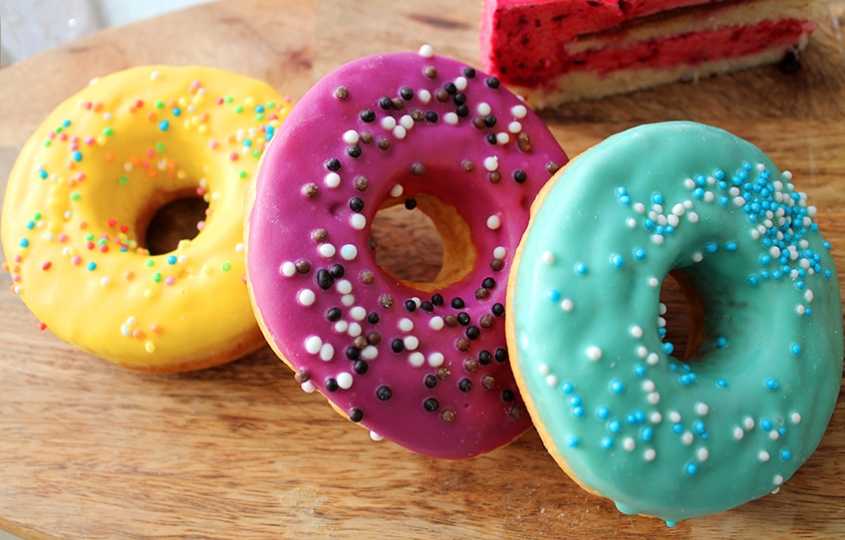

ShadeHex CodeCMYK Color Code (%)RGB Color CodeColorTiffany Blue#0abab595, 0, 3, 2710, 186, 181
Strong Yellow#bab50a0, 3, 95, 27186, 181, 10
Strong Magenta#b50aba3, 95, 0, 27181, 10, 186 How to Work With Tiffany Blue? Tiffany blue is a wonderful color that can be used for many purposes. You will be bringing a cool, fresh, and vibrant color to any design. Every color has meaning and a certain resonance, and if you can capture this design element, then you can subtly influence those around you. How to Mix Tiffany Blue Paint The basic composition of Tiffany blue would be blue, green, and white. You can begin by placing some white paint on your mixing surface. To this add a little bit of dark blue and mix well. Follow this by mixing in small amounts of dark green and yellow. You can then add more white, and, if necessary, more blue. You can also mix your own green by using blue and yellow.
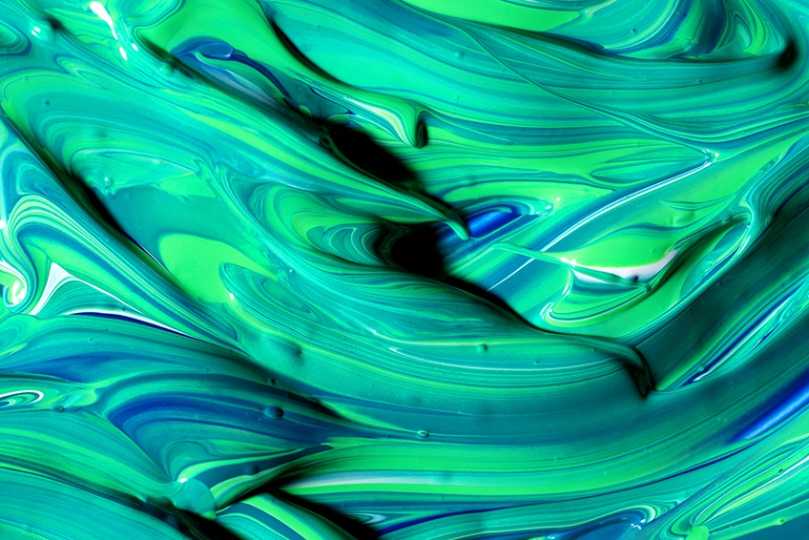

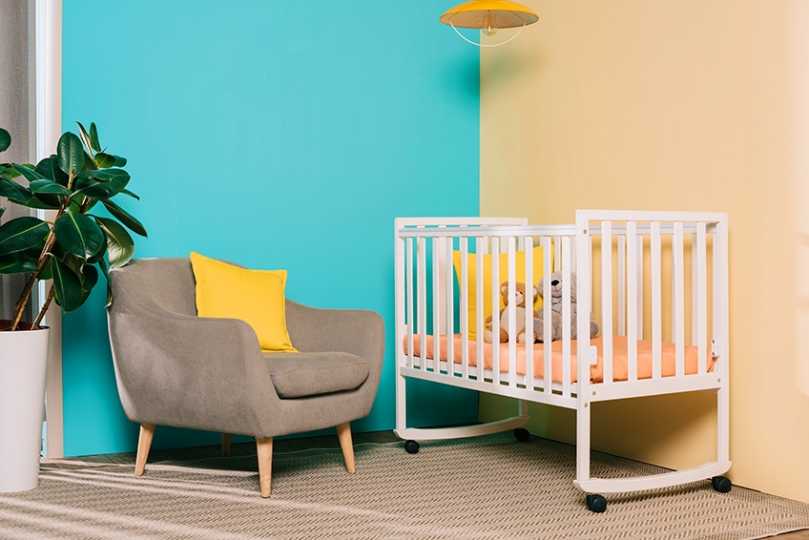
You can experiment with the proportions until you achieve a Tiffany blue color. Create for yourself a Tiffany blue color palette or chart as a reference, as you mix your paints. You can also try taking some turquoise paint and adjusting this by adding a little more blue, yellow, and white paint. You will again need to experiment with proportions and types of paint colors until you are happy with the results. Tiffany Blue Color Palettes for the Home There is a variety of Tiffany paint colors for the home, which can help to produce an elegant, cool, fresh, and inviting space. You can easily combine Tiffany blue with natural wood elements for a more sophisticated look, or go for a more retro style, for example, polka dots and patterns on rugs or throw pillows. Remember, overusing blue can be overwhelming and create a cold feeling. It is recommended that you combine Tiffany blue with other shades and colors. Tiffany Blue on the Walls Tiffany blue can be your main color on the walls, however, pairing it with another color like white can balance the look. For example, Tiffany blue walls with a white ceiling and wall trimmings, and doors. Tiffany blue can also make a wonderful focal point and accent wall, which is also less overwhelming. You can also consider Tiffany wallpaper patterns. As mentioned, there are numerous Tiffany blue paint colors, below are a few examples.
Tiffany Blue ShadeTiffany Blue Hex CodeCMYK Tiffany Blue Color Code (%)RGB Tiffany Blue Color CodeTiffany Blue ColorPoolside Blue#1fb9b483, 0, 3, 2731, 185, 180
Mariner#6bc0c345, 2, 0, 24107, 192, 195
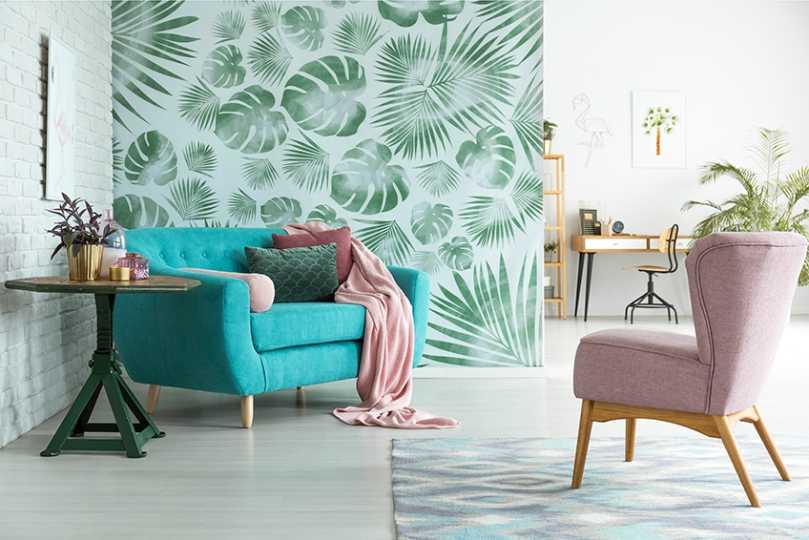
Alexandra Valley#00bcb5100, 0, 4, 260, 188, 181 Decorative Tiffany Blue Accents If you are not looking to create an entire Tiffany blue color palette for a room, you can bring the color in more subtly. You can simply add in a few Tiffany color accents or accessories. This can be cushions, throws, rugs, art, or anything you can easily take away or replace. You can also paint moldings or arrange couches or chairs around the house.
For the bedroom, it could be bedding, a side table, or a lamp. In the kitchen, you could paint the cabinets Tiffany blue, or simply have the color as plates and bowls in a display cabinet. You can consider Tiffany blue towels, rugs, and tiles in the bathroom.
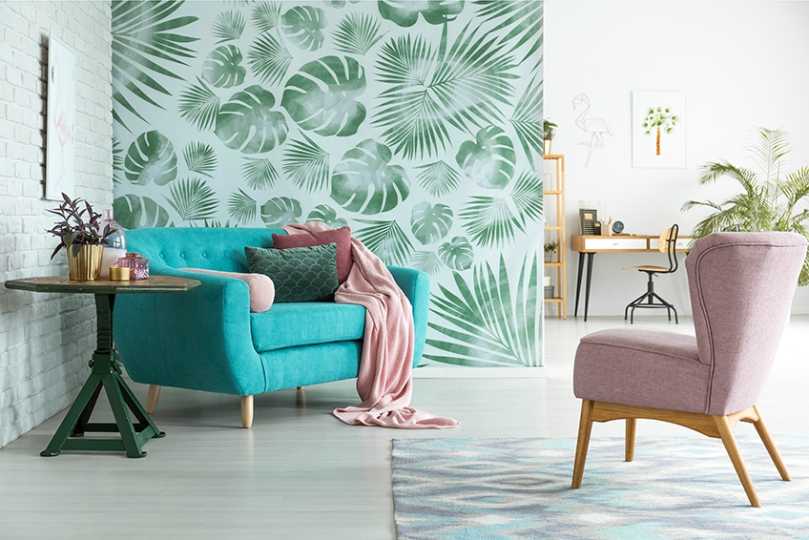
Conclusion The Tiffany blue color already has a reputation as being a luxurious, exciting, and elegant color. There are quite a few colors similar to Tiffany blue, but not have that status you might be looking for. Tiffany blue is a good choice to add freshness and confidence to any design idea.


Frequently Asked QuestionsWhat Color Is Tiffany? Tiffany blue is a shade of blue that can be described as a strong cyan hue that has a greenish undertone. This color is extremely close to turquoise, which is a brighter version of cyan and is considered a separate color. What Are Colors That Go Well With Tiffany Blue? The Tiffany blue color can go well with many colors but always looks amazing when paired with white. Other neutral colors like cream and beige also work well. Shades of red, pink, orange, and even yellow can add pops of color. Other shades of blue as well as green can work well together. Why Is the Tiffany Color Popular? The color is closely associated with the Tiffany brand of jewelry, which helped link the color with certain ideas such as sophistication and elegance. The color signifies a time when the Tiffany blue jewelry boxes brought joy to many.




Comments